A vehicle can appear relatively normal after an accident while still having damage that is not immediately visible. Exterior panels may hide bent structural components, damaged suspension parts, electrical problems, or issues affecting the vehicle's safety systems. This is why a thorough inspection is important even when the visible damage seems limited. Modern vehicles contain complex systems that can be affected by impact forces in ways that are not always obvious from the outside. A careful diagnostic process helps technicians understand the full extent of the damage before repairs begin. It can also help prevent overlooked problems from affecting the vehicle's performance or safety later. Knowing how professionals identify hidden collision damage can help vehicle owners better understand what happens after an accident. The following steps explain how a professional repair team evaluates a damaged vehicle and develops an appropriate repair plan.
Inspect the Vehicle for Visible Damage
The diagnostic process generally begins with a detailed visual inspection of the vehicle. Technicians examine the exterior panels, bumpers, lights, glass, wheels, and other visible components for signs of damage. They also look for gaps between body panels that may indicate shifting or distortion beneath the surface. Scratches, dents, paint transfer, and cracked components can provide important clues about how the collision occurred. The inspection may also include the underside of the vehicle because damage is not always limited to the areas that are easiest to see. According to Forbes, more than 20% of auto collisions involve stationary objects, including poles, shrubbery, or parked vehicles, which demonstrates that impacts can occur in many different ways. Even a collision that appears minor may transfer force into multiple areas of the vehicle. A detailed initial inspection gives technicians a starting point for identifying problems that require further investigation.
Analyze the Impact Pattern
The location and direction of impact can provide valuable information about possible hidden damage. Technicians consider which part of the vehicle was struck and how the force may have traveled through the body. A front-end collision, for example, may affect the bumper, hood, radiator support, cooling components, and structural areas behind the visible damage. A side impact can affect doors, pillars, rocker panels, suspension components, and safety systems. Rear collisions may involve the trunk, rear body panels, exhaust components, and structural sections beneath the vehicle. Professionals also review the position and severity of visible damage to understand how the vehicle may have absorbed the impact. This information helps guide the inspection toward areas that may not show obvious external signs. A local auto body shop with experienced technicians can use impact patterns to identify areas that deserve additional attention. Understanding the collision dynamics can make the diagnostic process more thorough and accurate.
Check the Vehicle’s Structural Alignment
A vehicle's frame and structural components play an important role in its overall safety and handling. Even a relatively small impact can cause structural movement that may not be obvious from a basic visual inspection. Technicians use specialized measuring equipment to compare the vehicle's current dimensions with manufacturer specifications. These measurements can reveal whether important structural points have shifted out of their intended positions. Proper alignment is essential because an improperly repaired structure may affect how the vehicle performs during future impacts. It can also contribute to uneven tire wear, handling concerns, and problems with panel fitment. A local auto body shop may use computerized measuring systems to evaluate structural alignment with greater precision. Identifying structural damage early helps technicians determine the appropriate repair approach before additional work is completed.
Inspect Suspension and Steering Components
Collision forces can travel through the wheels and affect components beneath the vehicle. Suspension arms, tie rods, struts, steering components, and wheel hubs may be damaged even when the body panels appear to be the primary area of impact. Technicians inspect these parts for bending, cracking, looseness, or other signs of damage. They may also check whether the wheels remain properly aligned after the collision. A vehicle that pulls to one side, vibrates, or handles differently after an accident may have underlying suspension or steering problems. These issues can affect both drivability and safety if they are not identified and repaired properly. A local auto body shop can coordinate inspections of related mechanical components when collision damage extends beyond the exterior. A complete evaluation helps ensure that the vehicle is not returned to the road with overlooked problems beneath the body.
Scan Electronic Safety Systems
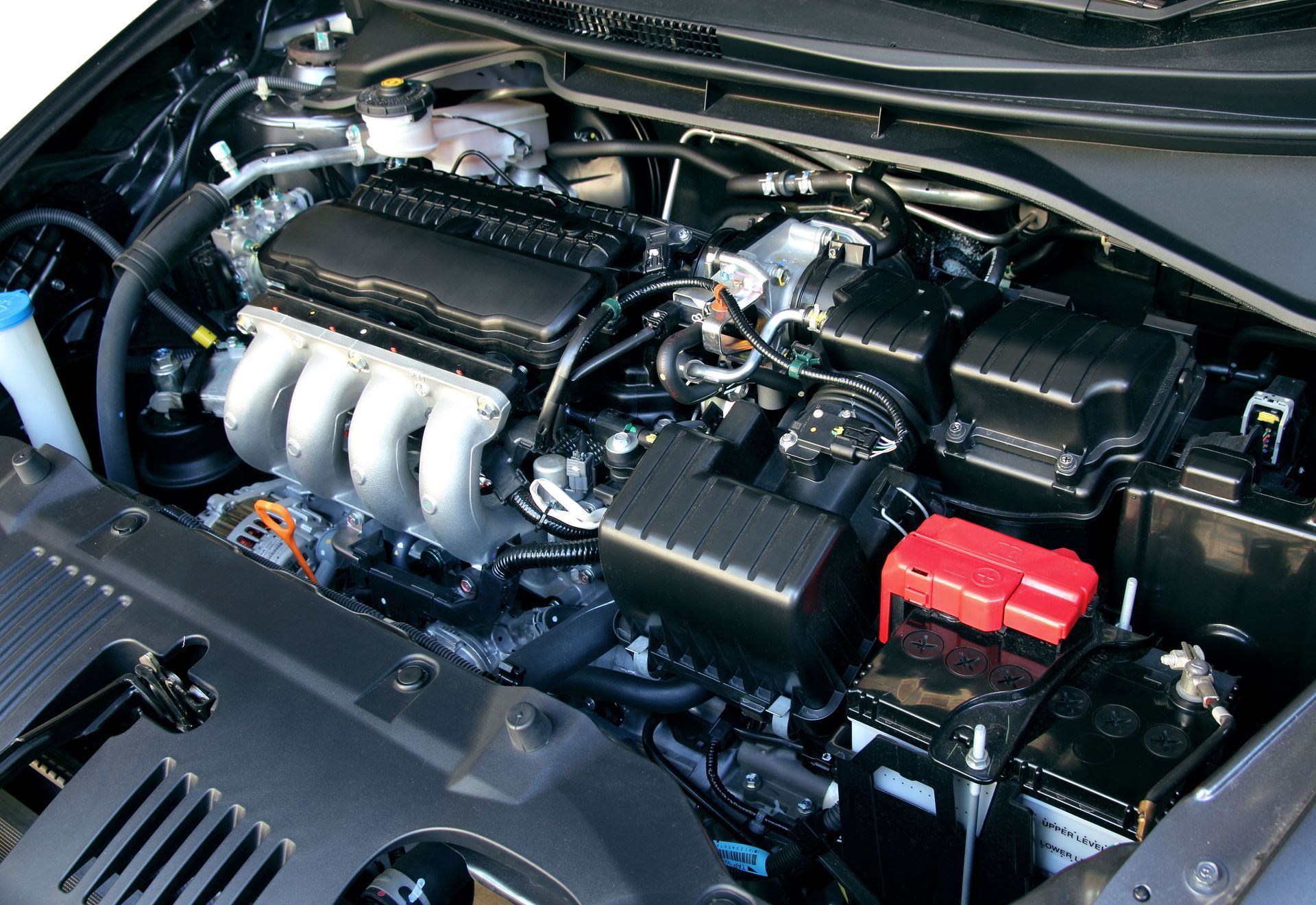
Modern vehicles rely on numerous electronic systems that may be affected by a collision. Airbag modules, sensors, cameras, radar systems, and other safety components can require inspection after an accident. Technicians may use diagnostic scanning equipment to identify fault codes or communication problems within the vehicle's electronic systems. Some damage may not produce an obvious visual sign but can still affect how a safety feature operates. Advanced driver assistance systems may also require calibration after certain components are repaired or replaced. A vehicle's warning lights and stored diagnostic information can provide important clues during the inspection process. A local auto body shop with appropriate diagnostic technology can help identify electronic issues that may otherwise go unnoticed. Proper testing and calibration are important steps in returning modern vehicles to safe operating condition.
Examine Hidden Areas Behind Panels
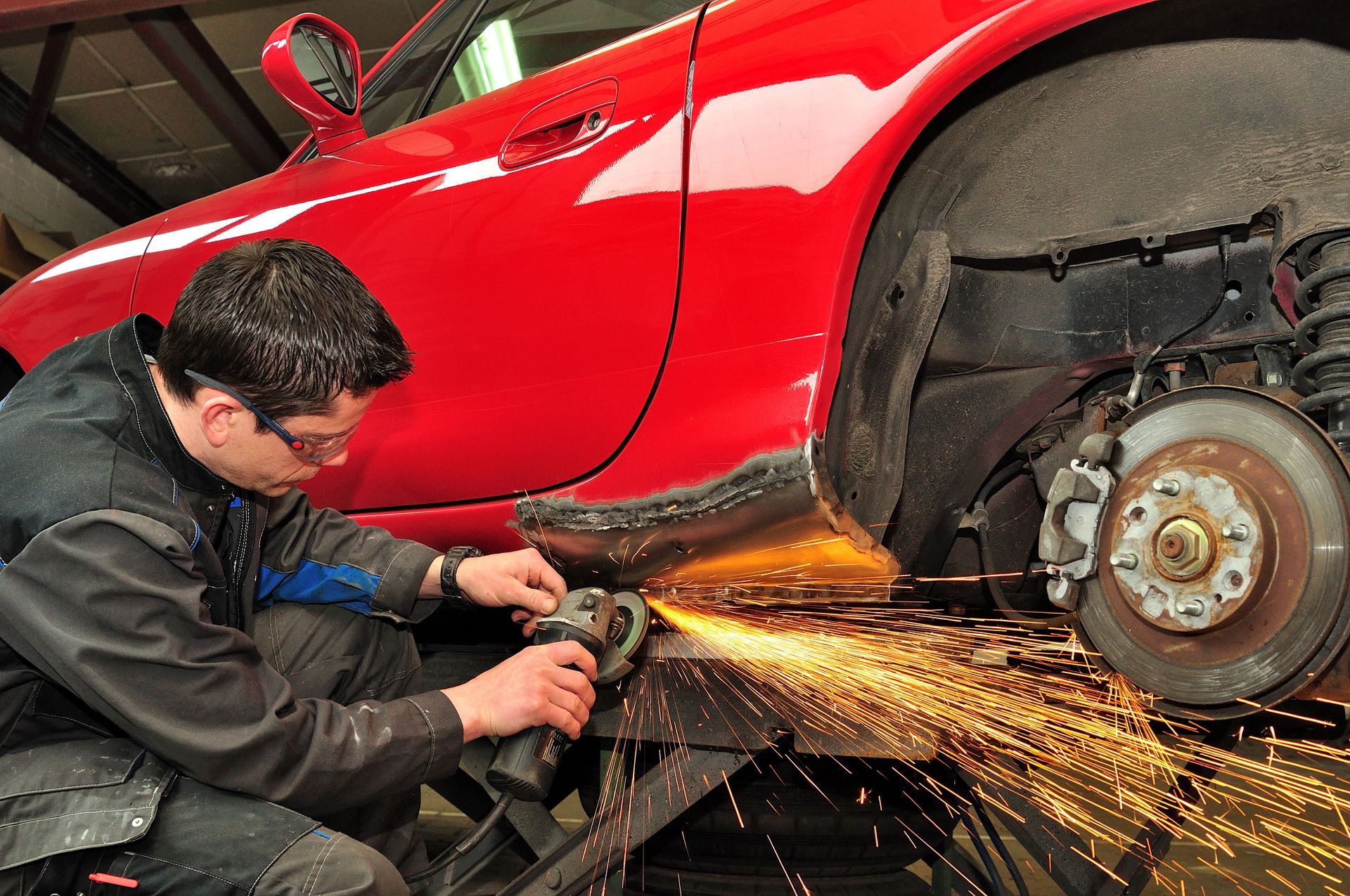
Exterior panels can conceal damage to components located beneath or behind them. Technicians may need to remove damaged panels or other parts to inspect the underlying structure and equipment. Behind a bumper, for example, there may be reinforcement components, sensors, brackets, and structural materials that have absorbed impact energy. A damaged fender may hide problems involving mounting points or nearby suspension components. Technicians carefully inspect these areas rather than relying only on what can be seen from outside the vehicle. They also look for crushed materials, shifted components, broken mounts, and signs of unusual movement. A local auto body shop can determine which areas require disassembly based on the severity and location of the collision. This deeper inspection helps create a more complete understanding of the repairs the vehicle needs.
Compare Damage With Manufacturer Standards
Repairing a vehicle properly requires more than making the exterior look normal. Technicians must consider manufacturer repair procedures, material specifications, structural measurements, and safety requirements. Different vehicles may use different metals, adhesives, welding procedures, and replacement methods. Following the appropriate guidelines helps ensure that repairs are performed according to the vehicle's design. Technicians may compare measurements and component conditions with manufacturer specifications during the repair planning process. This helps identify whether a part can be repaired or whether replacement is more appropriate. A local auto body shop can use this information to develop a repair plan based on the actual condition of the vehicle. Careful adherence to appropriate repair standards supports the quality and safety of the completed work.
Complete a Final Quality Inspection
The diagnostic process does not end when visible repairs are completed. Technicians should conduct a final inspection to confirm that repaired and replaced components are functioning as intended. They may check panel alignment, paint quality, lighting, sensors, safety systems, wheel alignment, and other relevant features. A road test may also be performed when appropriate to evaluate handling, braking, steering, and unusual noises. Any warning lights or diagnostic codes should be addressed before the vehicle is returned to the owner. The final inspection provides an opportunity to identify issues that may have been overlooked during earlier stages of the repair. A local auto body shop that follows a thorough quality-control process can help ensure that the completed repair meets the necessary expectations. This final step is important because the goal is not simply to make the vehicle look repaired but to help restore its function and safety.
From examining the impact pattern to checking structural alignment and scanning electronic systems, each step can provide important information about the vehicle's condition. Proper diagnosis can also help prevent overlooked problems from affecting the vehicle after repairs are completed. At Fletcher Auto Body, our team can carefully evaluate collision damage and help determine the repairs your vehicle needs. Contact us today to schedule an inspection and get started on restoring your vehicle after an accident.

Share On: